Biscoff Cupcakes
Spiced brown sugar sponge, cookie butter buttercream, a biscuit on top.
 Loved this recipe?
The Baking Cookbook, 100 recipes
Every ingredient in cups and grams, with a photo for every recipe. 211 pages, instant PDF.
Get it $3+ →
Loved this recipe?
The Baking Cookbook, 100 recipes
Every ingredient in cups and grams, with a photo for every recipe. 211 pages, instant PDF.
Get it $3+ →
Before You Start
Cookie butter does two jobs here. It goes into the sponge, where it brings caramel and cinnamon, and into the frosting, where it does most of the flavouring for you. Warm the spread before you beat it in or it'll seize the butter and go grainy on you.
Instructions
-
Heat the oven to 175°C / 350°F and line a 12-hole tin with cases. Beat the softened butter and brown sugar for 3 minutes until it looks pale and fluffy.
-
Beat in the cookie butter, then the eggs one at a time. If it curdles, add a spoon of the flour and carry on.
-
Fold in the flour, baking powder, cinnamon and salt in two goes, alternating with the milk. Stop as soon as it's smooth.
-
Divide between the cases, about two thirds full, and bake for 18 to 20 minutes until a skewer comes out clean. Cool completely on a rack.
-
For the frosting, beat the butter alone for 4 minutes until almost white, then add the powdered sugar in two additions and beat until light.
-
Warm the cookie butter for 15 seconds so it's pourable, beat it in, and pipe onto the cold cupcakes. Press a biscuit into each one.
Tap a step to check it off. Your place is saved on this device.
💡 Baker's tips
- Cold cupcakes only. Cookie butter frosting is soft to begin with and it will slide straight off a warm sponge.
- Beat the butter on its own for longer than feels necessary. That's what makes buttercream pale and light rather than heavy and yellow.
🔀 Make it your own
- Core each cupcake and spoon in a teaspoon of warmed cookie butter before frosting for a hidden centre.
- Crush a few biscuits into the frosting for texture, or use crunchy cookie butter instead of smooth.
📦 Storing & freezing
Airtight at room temperature for 3 days, or refrigerate for 5. Bring them back to room temperature before eating, since cold buttercream tastes of very little.
❓ Frequently asked
How many grams is a cup of powdered sugar?
About 120 g per US cup, so the 2 cups here is roughly 240 g. Sift it if the box has been open a while.
Why did my frosting go grainy?
Cold cookie butter hitting soft butter splits it. Warm the spread to a pourable consistency first, and if it still splits, beat in a tablespoon of hot milk.
Baking in a different unit? Use the cups ↔ grams converter or the recipe scaler to halve or double this recipe.
More to bake
Tools for foolproof bakes
Weighing beats scooping every time. These inexpensive tools make every recipe more reliable.
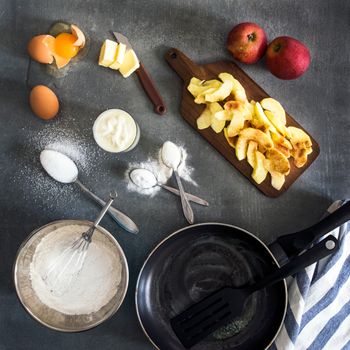 Digital kitchen scale
Weigh to the gram, the single most accurate way to bake.
Digital kitchen scale
Weigh to the gram, the single most accurate way to bake.
 Check price →
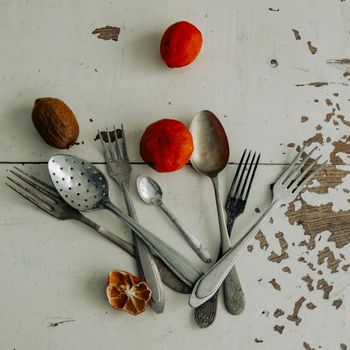 Measuring cups & spoons
A solid stainless set for when a recipe calls for cups.
Check price →
Measuring cups & spoons
A solid stainless set for when a recipe calls for cups.
Check price →
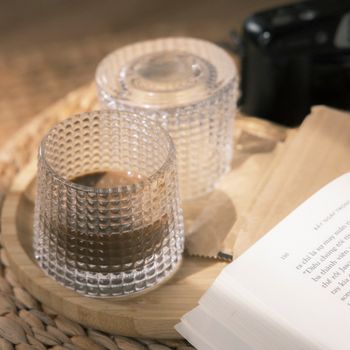 Glass measuring jug
Read millilitres and cups at a glance for liquids.
Check price →
Glass measuring jug
Read millilitres and cups at a glance for liquids.
Check price →
As an Amazon Associate, GramCups earns from qualifying purchases, at no extra cost to you.